
A plumbing trap prevents sewer gas from entering your home. At least, that’s what it’s supposed to do. Every plumbing fixture needs to be equipped with a trap, which is basically a dip in a pipe that stays filled with water. Here’s a video explaining this whole blog post: https://youtu.be/yB3OiEkCOXg
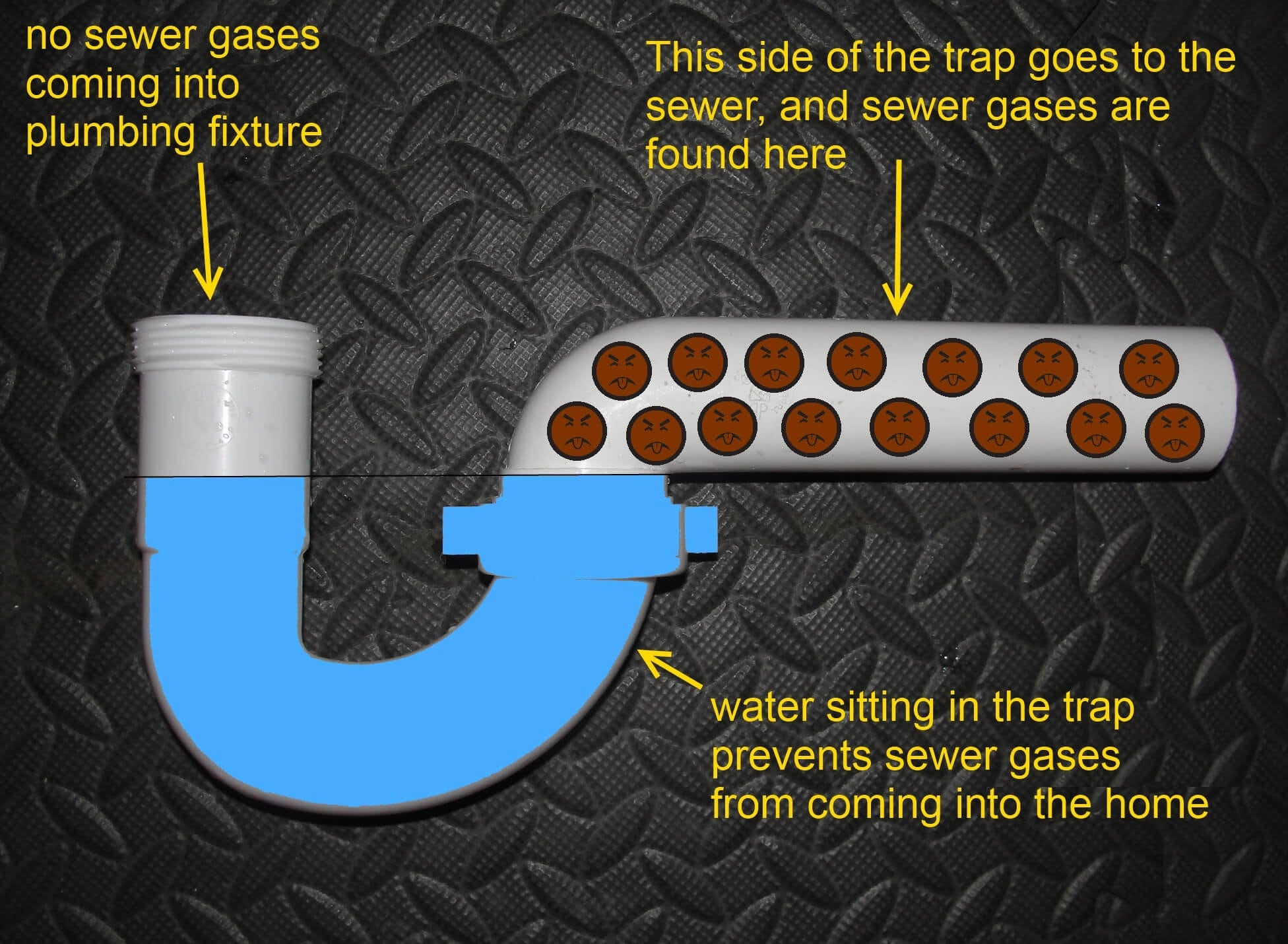
The water that sits in a trap is what prevents sewer gases from entering a building. The photo below shows a “P-trap”, which is the type of trap you’ll find below most sinks, showers, and bathtubs.
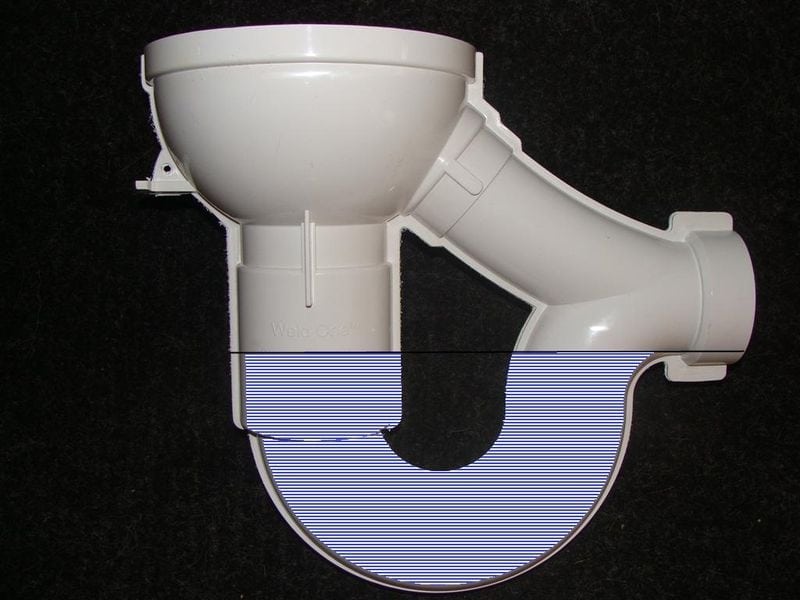
Toilets have their own built-in traps, and so do floor drains. The trap on a floor drain is located below the surface of the floor; the photo below shows a floor drain as seen from the side.
Home inspectors often find floor drains and other plumbing fixtures in basements that never have any water flowing to them, so the water in the trap eventually dries out and allows stinky, hazardous sewer gas to enter the home. Because of this, abandoned or shut off plumbing fixtures are always listed as a hazard or required repair on Truth-In-Sale of Housing evaluation reports in Minneapolis, Saint Paul, and the rest of the surrounding cities.
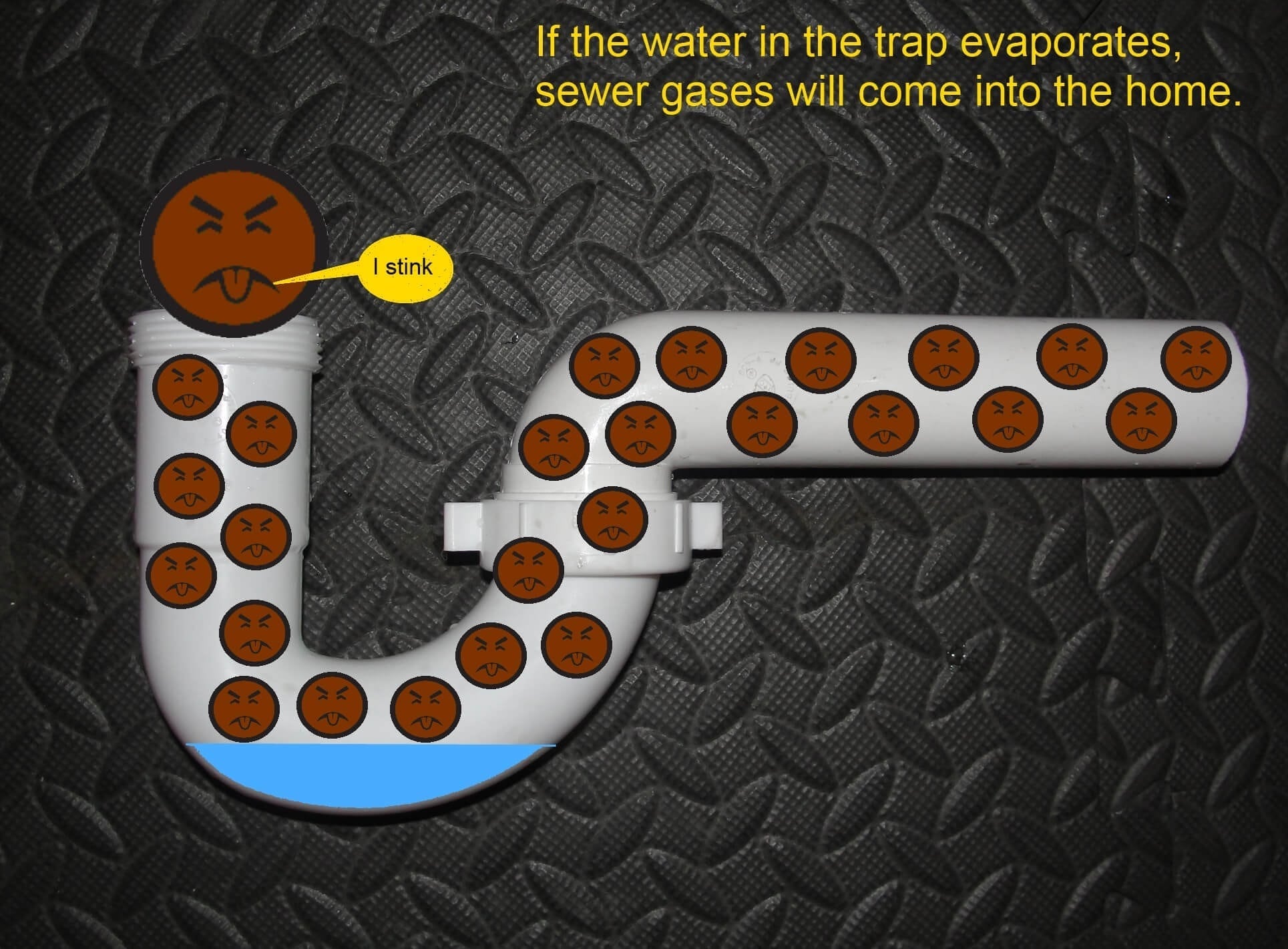
Floor drains are the most frequent offenders. If a floor drain doesn’t have water flowing to it on a regular basis, the water in the trap will dry out. A few common things that regularly drain to floor drains and help prevent the traps from drying out are AC condensate drain lines, high-efficiency furnace condensate drain lines, humidifier drain lines, dehumidifier drain lines, HRV drain lines, and water softener discharge lines. If you don’t have anything draining to your floor drain on a regular basis, the water in the trap may evaporate.
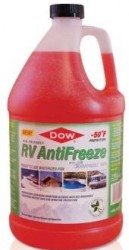 One fix is to pour some RV antifreeze into the drain. RV antifreeze is cheap, sold everywhere, safe for the environment, and it won’t evaporate or freeze. It’s made just for this kind of thing. Another option is to periodically pour some water down the drain; you’ll obviously need to do this regularly, but it’s free and easy to do.
Basement toilets are another frequent offender. These are typically found in old Minneapolis and Saint Paul homes, and it consists of a toilet sitting out in the middle of the basement, with no privacy offered. These toilets don’t get much use, and the water in the bowl eventually dries out.
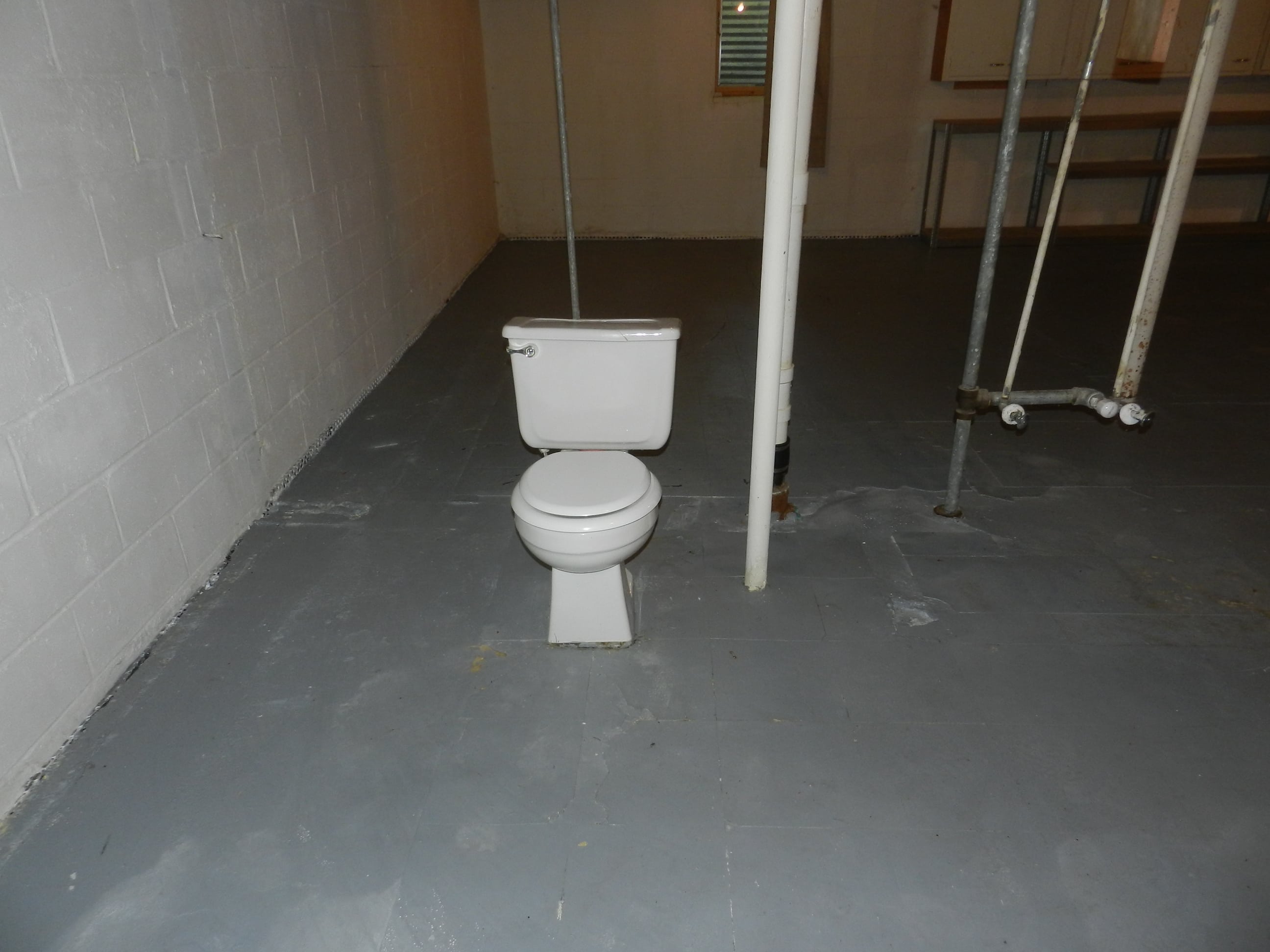
If you have an old toilet in your basement with no water line connected, have it removed and have the opening to the sewer capped off. If you have a free-standing toilet in your basement that isn’t abandoned, remember to give it a flush every now and then.
Infrequently used bathrooms are the final common offender. In larger homes with guest bathrooms that never get used, the water in the sink, toilet, tub, or shower can evaporate. As with floor drains, the fix is to pour some RV antifreeze into the fixtures or remember to run some water through them every few months. Easy.
Another way for traps to lose their water seal is through siphoning. I’ll discuss that in next week’s blog post about plumbing vents.
Author: Reuben Saltzman, Structure Tech Home Inspections